


The aim of the study was to determine the overall accumulation efficiency in the body of vitamin D based on usage dose and duration, as well as to compare the relative differences in accumulation in the body of two different vitamin D3 products with different base formulations. In addition, these indicators were also correlated with eating habits and lifestyle.
Study approved by:Research Ethics Committee of the Institute of Cardiology and Regenerative Medicine of the University of Latvia
Start of study: 10 February 2020
End of study:12 March 2020
Head researcher: Prof. Aleksejs Derovs
Exclusion criteria: : pregnant women, underaged individuals, persons with mental disabilities, use of additional dietary supplements, as well as persons, whose initial level of vitamin D did not comply with the requirements for the study
The subjects were divided into 3 groups:
• Group A: subjects whose vitamin D level was 5 ng/ml and who took cholecalciferol integrated in a microemulsion 4,000IU/2x/d after a meal in the morning and evening, shaking the product well prior to use.
• Group B: subjects whose vitamin D level was 2 ng/ml and who took cholecalciferol integrated in nano particles (LYL EFFUSIO®) 4,000IU/2x/d after a meal in the morning and evening, shaking the product well prior to use.
• Control group: subjects whose vitamin D level was 9 ng/ml and who took a placebo 2x/d after a meal in the morning and evening, shaking the product well prior to use.
158 subjects (males and female, aged 18 to 60) were invited to the initial study interview. Based on the exclusion criteria, 111 subjects qualified for the study and were randomly divided into three groups, where group A consisted of 41 subjects, group B consisted of 43 subjects, and the control group consisted of 27 subjects.

Image 1. Overall changes in vitamin D concentration in the serum by group at the end of the study
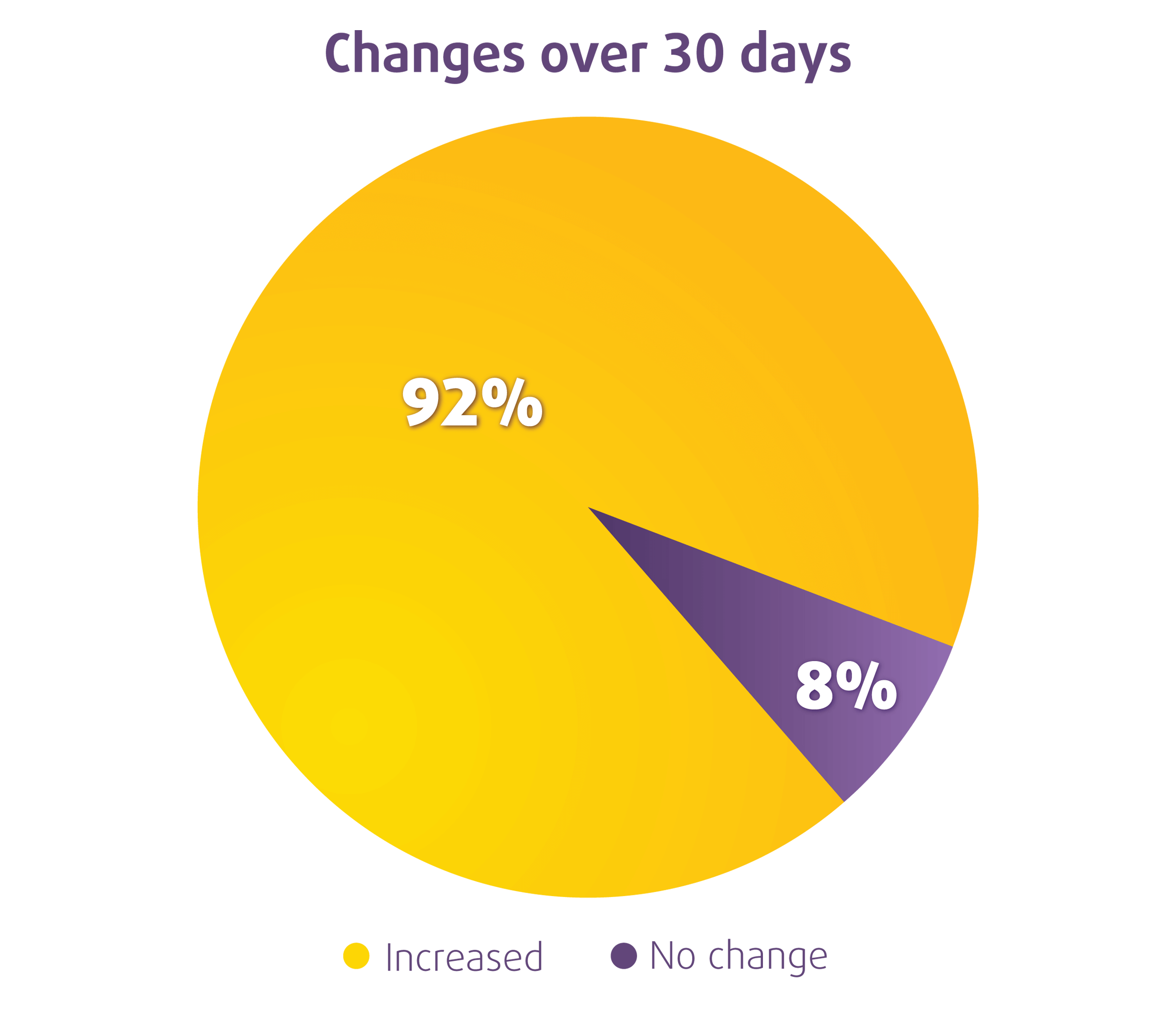
Image 2. Changes in vitamin D levels for groups A and B at the end of the study
• Vitamin D in spray form, used twice a day (8,000 IUs) over the course of one month raises the overall concentration of vitamin D in the serum by an average of 132% (see Image 1).
• If vitamin D is not supplemented, the concentration of vitamin D in the serum falls by an average of 15% over the course of one month (see Image 1).
• Vitamin D3 (cholecalciferol) integrated into the spray form correlates with a high adherence as the overall levels of vitamin D in the serum increased for 92% of subjects by the end of the study (see Image 2).
*For more details about the study, see:
Prof. Aleksejs Derovs, “Randomizēta, placebo kontrolēta pētījuma rezultāti par dažādu D vitamīna spreja formu ietekmi uz D vitamīna līmeni asinīs”, magazine “Latvijas ārsts”, November 2020 issue.